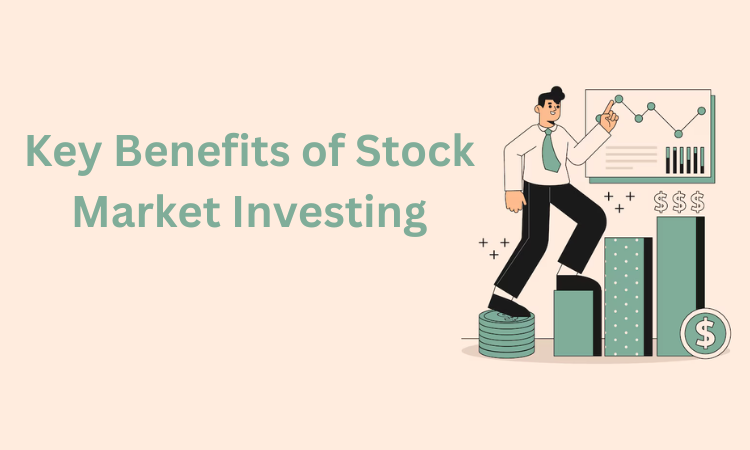
Key Benefits of Stock Market Investing for Beginners: The Ultimate Guide
Are you wondering if stock market investing is right for you? Discover the key advantages that make the stock market an essential tool for building wealth in 2025 and beyond. This comprehensive guide explores why millions of investors choose the stock market for their financial future.
Key Takeaways
- Learn how stock market investing helps build long-term wealth
- Understand how stocks protect against inflation
- Discover the power of compound returns
- Explore dividend income opportunities
- Master portfolio diversification strategies
Why Should You Invest in the Stock Market?
The stock market remains one of the most powerful wealth-building tools available to investors in 2025. Whether you're a beginner looking to start investing or an experienced investor seeking to optimize your portfolio, understanding these crucial benefits will help you make informed decisions about your financial future.
1. Building Long-term Wealth Through Capital Appreciation
When you invest in stocks, you're purchasing ownership in real companies with growth potential. Historical data proves the stock market's wealth-building power:
- The S&P 500 has delivered approximately 10% average annual returns
- $10,000 invested in the S&P 500 in 2000 would be worth over $45,000 by 2025
- Stock market returns consistently outperform savings accounts and bonds
2. How Stocks Protect Your Money Against Inflation
Worried about inflation eating away at your savings? Stock market investing offers powerful inflation protection through:
- Companies' ability to raise prices during inflationary periods
- Appreciation of real business assets
- Growing corporate earnings and dividends that typically outpace inflation rates
3. Understanding Compound Returns in Stock Investing
Want to maximize your investment returns? Compound returns in the stock market work like a snowball effect:
- Earnings are reinvested to generate additional returns
- Longer investment periods maximize compounding benefits
- Regular investments amplify compounding power
4. Generating Passive Income Through Stock Dividends
Looking for regular income from your investments? Many stocks offer attractive dividend payments:
- Quarterly dividend payments provide steady income streams
- Option to reinvest dividends for additional growth
- Dividend aristocrats offer reliable, growing payments
- Income potential during market downturns
5. Enjoying High Liquidity and Investment Flexibility
Unlike real estate or private investments, stocks offer exceptional liquidity:
- Trade instantly during market hours
- No minimum holding periods
- Adjust investments as needed
- Start with any amount you're comfortable with
6. Maximizing Tax Benefits from Stock Investments
Smart stock investing offers several tax advantages:
- Lower tax rates on long-term capital gains
- Tax-advantaged retirement accounts
- Strategic tax-loss harvesting opportunities
- Favorable qualified dividend treatment
7. Learning Through Stock Market Investing
Investing in stocks builds valuable financial skills:
- Understanding market economics
- Developing analytical abilities
- Learning risk management
- Improving financial literacy
8. Making an Impact Through Stock Ownership
Stock investing allows you to:
- Support companies aligned with your values
- Exercise shareholder voting rights
- Participate in economic growth
- Fund innovation and development
Conclusion: Why Stock Market Investing Matters in 2025
Stock market investing offers unmatched potential for building long-term wealth through:
- Capital appreciation opportunities
- Inflation protection
- Compound returns
- Regular dividend income
- Portfolio diversification benefits
Success in stock market investing comes to those who:
- Maintain a long-term perspective
- Build diversified portfolios
- Invest regularly through market cycles
- Stay informed about their investments
- Practice patience during volatility
Ready to start your investment journey? Remember to consider your risk tolerance, investment timeline, and financial goals. For personalized guidance, consult with a qualified financial advisor to develop an investment strategy that matches your objectives.